Architectural design and especially the creation of intimate spaces for people to call "home" requires both a rational logic that will be realizing spaces that are comfortable, function well, and are connected in a way that makes sense in terms of circulation and access for the various uses required in daily life.
However, there is a second and equal element to architectural design that is non-logical and purely romantic. The way a home looks and the way that it feels relies entirely on emotion. Usually, the logical and the romantic are mixed in fairly equal measure. On occasion, it will lean heavily toward one side.
A type of structure that we love to design that falls almost entirely into the romantic, emotional category is the Garden Folly. The English Landscape Designer, Capability Brown, lived almost entirely in the romantic design world. His best-known works were done in the 18th century and one of my favorites is the gardens of Stowe. Among the rolling hills and streams that run through this expansive property are classical temples, ruins, and the most magnificent Palladian bridge that I know.
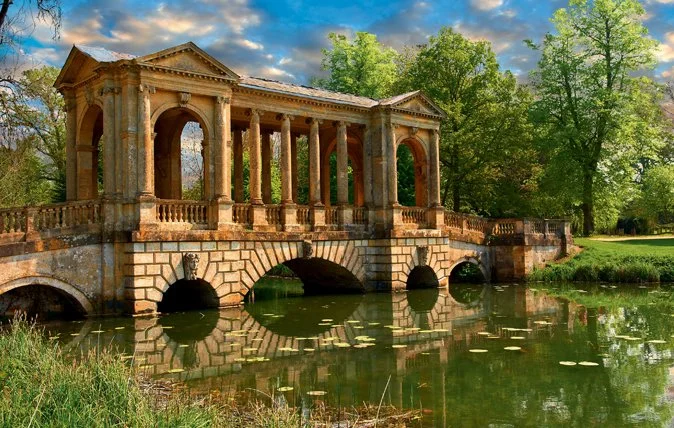
Isn’t this just magnificent? Phenomenal work from Browne
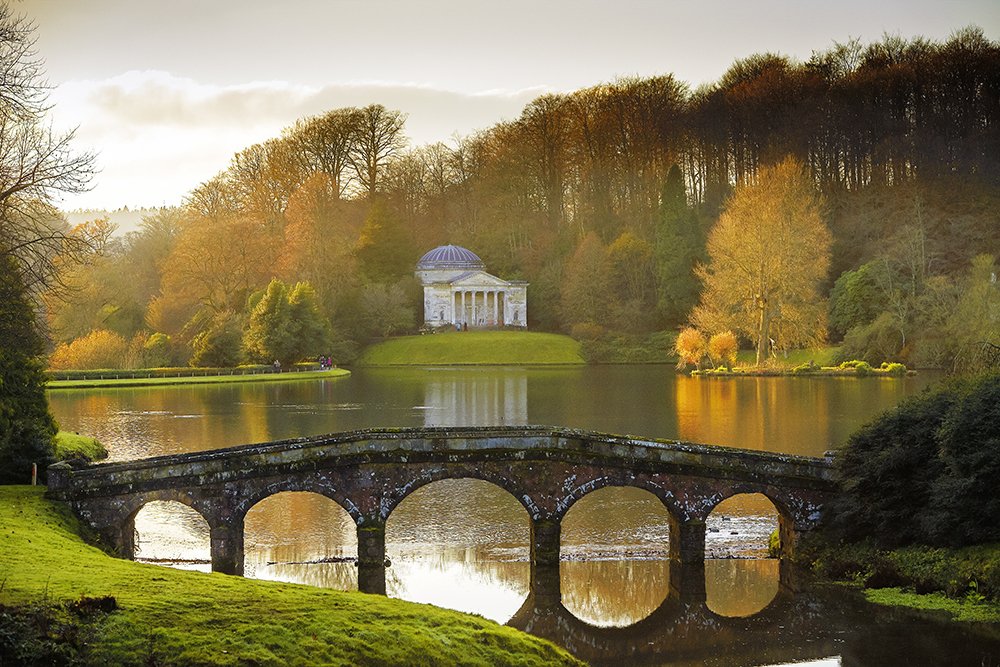
Less of a folly, less ornamented, but almost as stunning. Still Browne here.
These Garden Folly structures are a joy to conceive. The image attached here is on little structure that we designed for a large estate house for a horse farm near Asheville. The little structure has almost no purpose other than to be a vision of beauty and leisure that one arrives upon while venturing in the garden. A small shelter to enjoy.
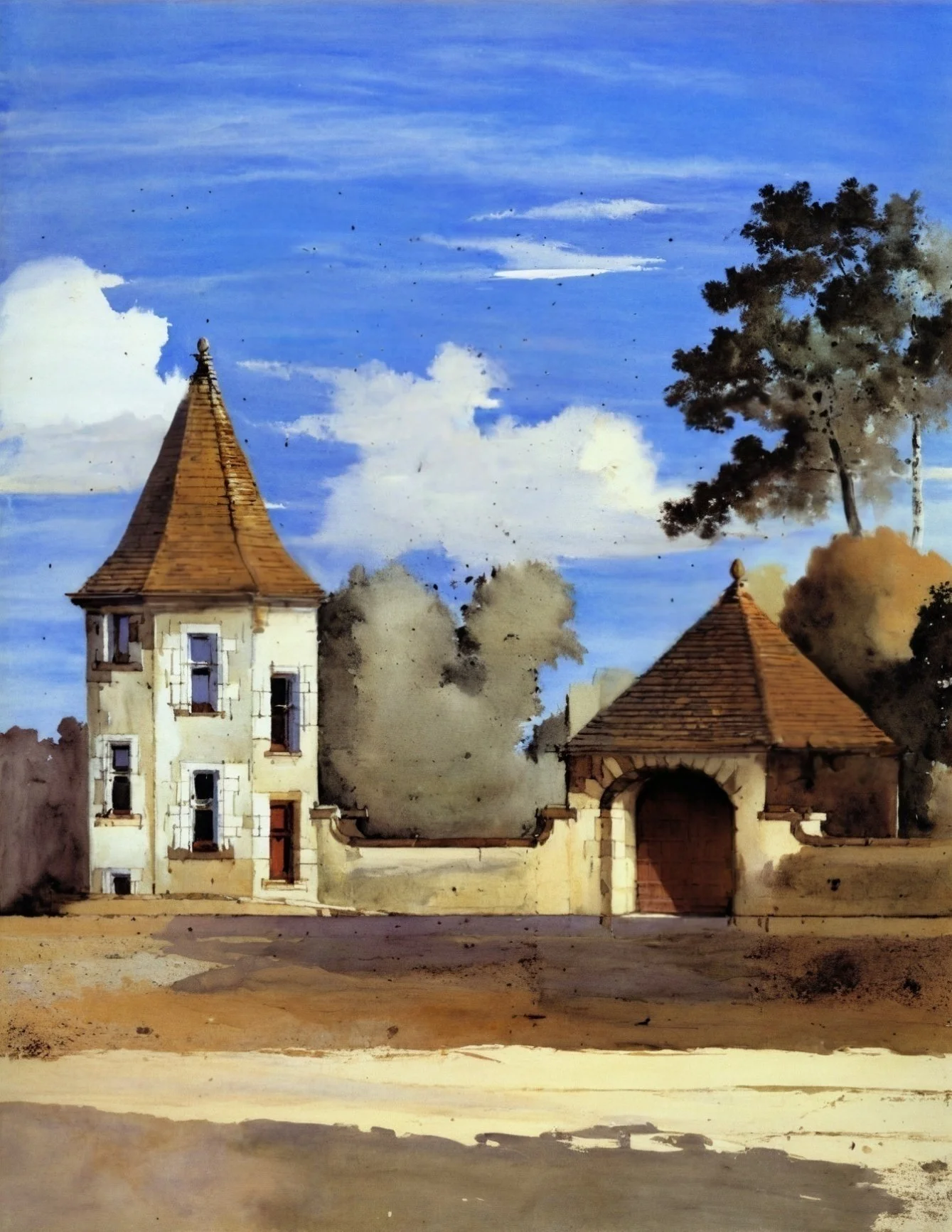
(The above is a rendering based on plans out of our office)
Over the centuries, poets have been inspired by these small gems. Here are a couple of my favorites. First, A poem by Robert Montgomery written in 1830, is called "The Deserted", describes a mock temple that he calls a "ruined fane" that is tucked away in the extensive grounds of an overgrown estate:
A lonely pavilion, where the moss-grown floor
Echoes the footstep it received before,
Stands in the gloom of overarching trees,
That wave their dark heads to the passing breeze.There columns, modeled from the Grecian style,
Though modern built, appear an ancient pile;
While through the broken arch and fractured wall,
The streaming sunbeams in their glory fall,
And light the foliage of the creeping vine,
Whose tendrils round the shattered marble twine.
Another poem that captures the romantic excitement of encountering a ruin in the landscape is Elizabeth Barrett Browning's; "The Deserted Garden" from 1838. Here she details a structure that is slowing becoming engulfed in the wild, tangling growth of an untended landscape:
I mind me in the days departed,
How often underneath the sun
With childish bounds I used to run
To a garden long deserted.The trees were umbrageous, over-high,
And many a year had run since man
Had stood there to gape or scan
The handiwork of the sky.The sun-dial told the hourly hope
Of the fruits and the flowers that looked it up;
The sun-dial was cast from its station,
And all was changed save its target of time;
The gardens had grown to a wild plantation,
And weeds had climbed o’er the terraced rhyme.Make a point to get out to wonderfully designed gardens and search for these magical little pavilions designed for the pure amusement and delight of the onlooker.